KN: FOCUS ON OPERATIONAL EFFICIENCY CONTRIBUTES TO THE MANAGEMENT OF CHALLENGES
2019-04-30
Company news
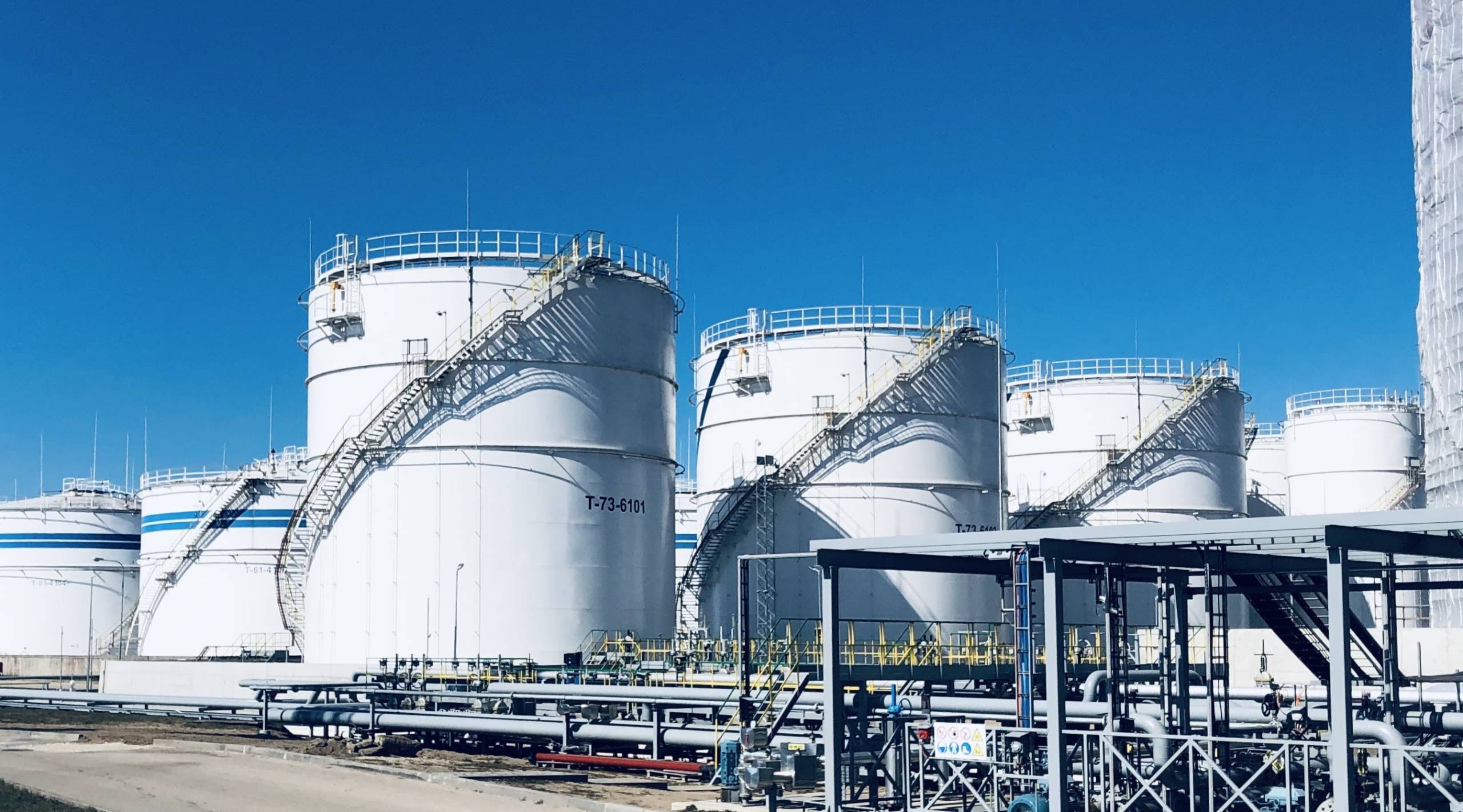
In the first quarter of this year, the operator of oil and liquefied natural gas (LNG) terminals KN (AB Klaipėdos nafta) faced environmental challenges that made it focus on the increase of operational efficiency and more actively search for additional cooperation opportunities with current and potential clients. This had a positive impact on recovering operating profitability of the company.
During the first quarter of 2019, KN’s total income accounted for EUR 31.2 million, i.e. 12 per cent more than during the respective period a year ago. During three months of this year, the company’s EBITDA (earnings before interest, taxes, depreciation and amortisation) reached EUR 17.7 million, compared to EUR 10.4 million during the respective period in the previous year. The company’s net profits in the first quarter of 2019 amounted to EUR 2.8 million (compared to EUR 6.8 million in the first quarter of 2018); in the fourth quarter of 2018, the company’s net profits accounted for EUR 0.2 million.
KN reloaded 1.54 million tons of oil products in Klaipėda and Subačius oil terminals in the first quarter of this year. A decrease in the loading volume has been influenced by lower flows of oil products from the Orlen Lietuva refinery and a smaller amount of black oil product transit freight, which has been mainly determined by several concurring incidents in the factories of KN’s main clients that affected the volume of production of oil products and respectively the supply and storage volumes.
“Due to these unfavourable circumstances beyond the direct control of the company we recorded lower loading results in our oil terminals in the first quarter. This led us to actively review our business processes, search for new cooperation opportunities with new and current clients, and work on new strategic partnerships. It should be noted that this focus of our organisation gave positive results and, compared to the second half-year of 2018, the curve of the net profits indicator is again going upwards in this quarter,” pointed out KN CEO Mindaugas Jusius.
According to KN’s head, environmental challenges only confirm that the direction we have set, i.e. to accomplish the investment stage of the light oil product farm and start its operation as soon as possible, is particularly important in pursuit of a bigger number of more flexible cooperation opportunities and an increase in the range of loaded oil products with the clients. The company plans to start operation of the new light oil product farm by the end of the second quarter of this year.
During the first three months of this year, the LNG terminal received 1 gas carrier and carried out six small-scale LNG reloading operations. In total, during the first quarter this year, 0.74 million MWh of gas was regasified and reloaded, compared to 1.10 million MWh during the respective period in the previous year. The volume of operations of the LNG terminal has been affected by the fact that due to performance of planned LNG terminal technical maintenance works no loading or regasification operations were carried out in the period of February to March.
In the first quarter, the income of LNG terminals accounted for EUR 22.98 million and exceeded the income of the respective period in 2018 by 36.9 per cent (EUR 16.79 million). The LNG terminal income consists of one twelfth of the fixed LNG regasification price component for annual consumption capacities, which has been approved by the National Commission for Energy Control and Prices for the year 2019, and the variable regasification price component for regasified gas quantity.
In the first quarter, KN LNG operations saw at least several important events that helped increase KN’s competitiveness in the region. At the beginning of January, the LNG transportation and bunkering ship “Kairos”, owned by KN and its partner, started operations; during the first quarter, “Independence” was technologically prepared to accept cargo from small-scale gas carriers that arrived in early April.
“We have been constantly looking for new opportunities and solutions that could contribute to the strengthening of the entire LNG logistics chain. Our goal is to create the conditions to our clients to use a variety of opportunities that open up in the market and use the most competitive and most favourable global LNG prices while supplying LNG to both satisfy their own needs and for commercial activities. The relevance of the services provided by our owned LNG terminals has been particularly observed in the second quarter, with regard to the increased demand for KN’s services,” said Mr. Jusius.
Several important awards have also confirmed the fact that KN has chosen the right direction. KN took the third place among the best companies working with investors in the Baltic countries in the Nasdaq Baltic Market Awards 2019. In addition, it was 18th among 500 other companies in the ranking of Lithuanian Business Leaders organised by “Verslo žinios”, in which the jury took into consideration the criteria of business growth, operational efficiency and benefits for employees.
It should be noted that KN’s financial performance indicators are affected by the change of the IFRS 16 accounting standard, according to which lease liabilities have been accounted for as assets and liabilities with respective accounting of depreciation as of 2019.
On 5 January 2026, the Ministry of Energy of the Republic of Lithuania announced the selection of candidates for the members of the Board of KN Energies. The selection of the members of the Board shall be carried out in accordance with the Description of the Selection of Candidates to...
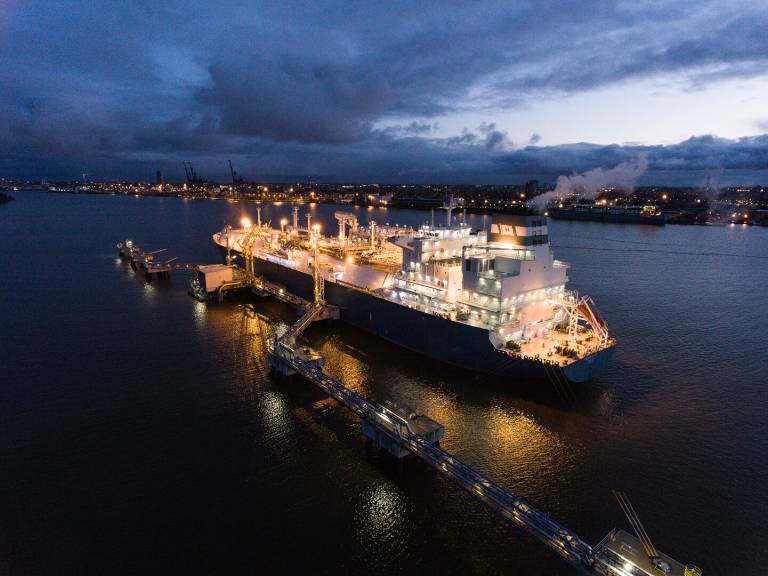
On Monday, a liquefied natural gas (LNG) cargo from the United Stats of America ordered by D.TRADING International SA, a subsidiary of DTEK Group, the largest private Ukrainian energy company, reached the Klaipėda LNG terminal operated by the international terminal operator KN Energies. Approximately 160 thousand cubic metres of U.S....
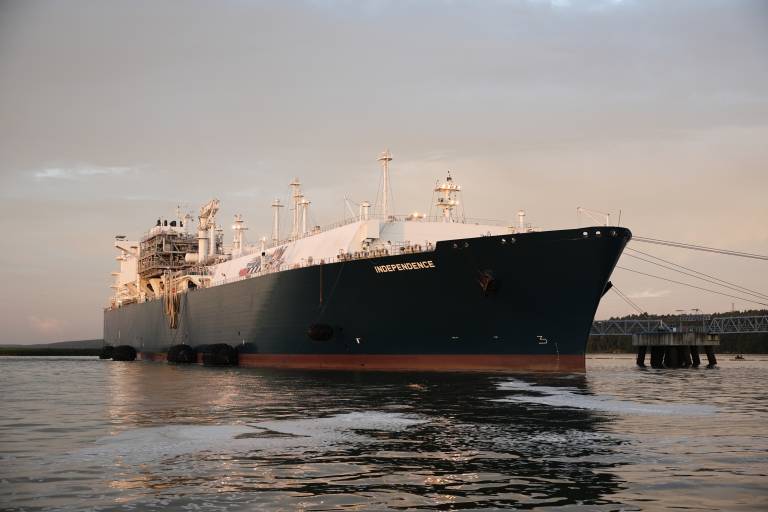
Exactly 11 years ago, on 27 October 2014, the liquefied natural gas (LNG) floating storage and regasification unit (FSRU) Independence reached the Port of Klaipėda. Lithuania’s liberation from the grip of a monopolist became not only an inspiration for the Baltic region but also ensured energy security and the right for consumers...