Need for biofuels is dictated by environmental requirements
2020-12-21
Liquid energy terminals
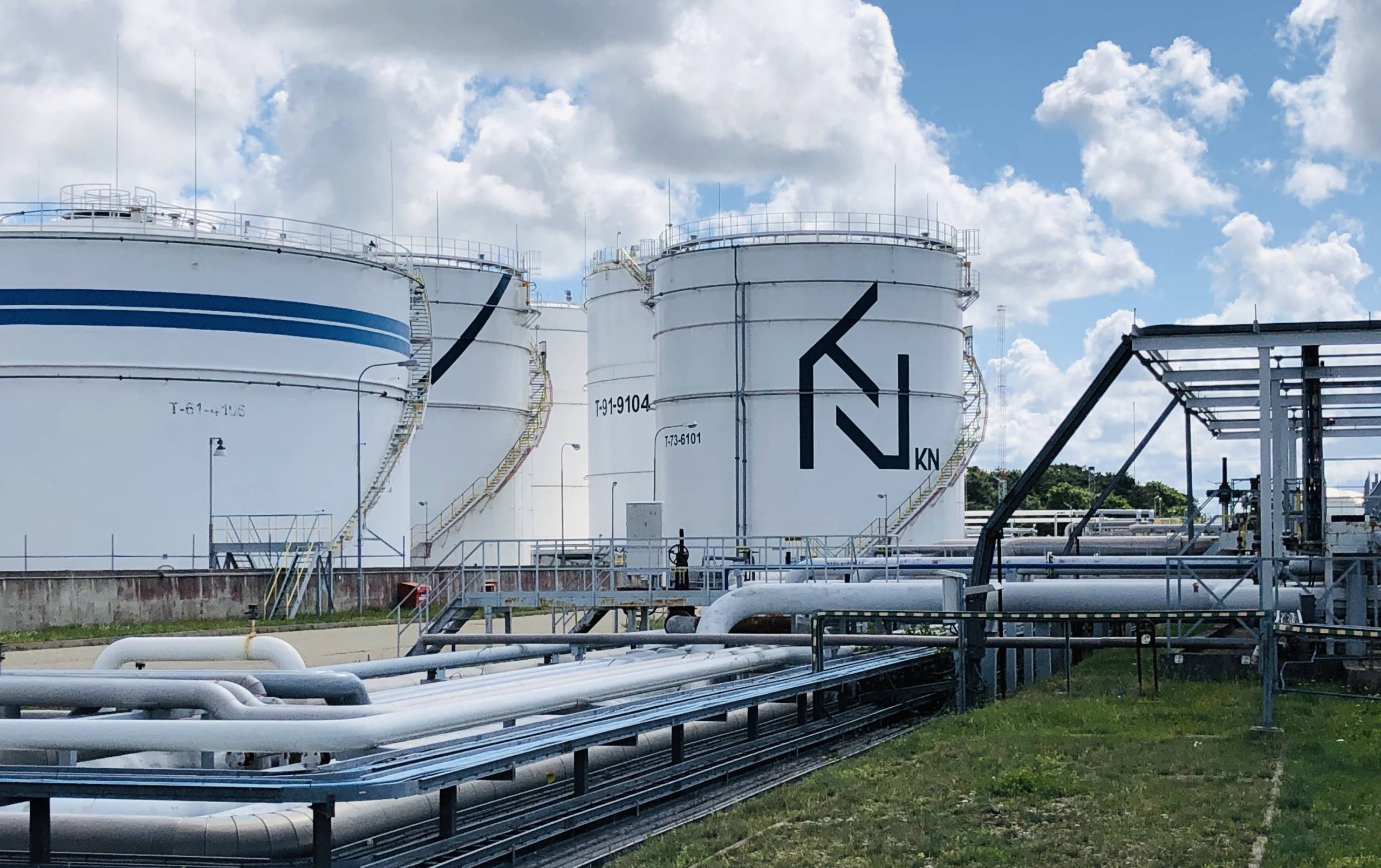
This year, a record number of biofuels – ethanol, fatty acid methyl ester (RRME) and hydrogenated vegetable oil (HVO) – were handled at Klaipėda oil terminal operated by KN (AB Klaipėdos nafta). Compared to 2019, the handling of these biofuels increased 8 times. The market demand for these cargoes is increasing due to environmental requirements for the mandatory addition of bio-additives to Arctic diesel in the winter of this year.
Biofuels are liquid or gaseous transport fuels produced from renewable energy sources. Three types of biofuels are handled at KN Klaipėda oil terminal: ethanol (alcohol), fatty acid methyl ester (RRME), and hydrogenated vegetable oil (HVO). These biofuels are blended into conventional fuels (petrol and diesel) in order to reduce emissions of harmful particles from transport to the environment.
In 2020 (through 1-11 months), 74 thousand tons of biofuels were handled at Klaipėda Oil Terminal managed by KN, i.e. 8 times more than the previous year, with 9,345 thousand tons handled throughout 2019, a similar level to 2018, when 10.7 tons of biofuels were handled.
"This year, fuel producers are required to add bio-additives to Arctic diesel without exception, therefore their handling through the KN infrastructure should continue to increase. KN’s role in this process is twofold: our customers purchase bio-additives from domestic producers, and also import from the international market via the KN terminal, reloading the pure product with further delivery by road to other terminals for further addition into the fuel. KN also provides a mixing service at the terminals operated in Klaipėda and Subačiai – thus providing customers with the entire service chain.” said Mindaugas Navikas, Chief Sales Officer of KN.
Biofuels play a key role in achieving more sustainable road transport, by burning cleaner than conventional fuels and reducing greenhouse gas emissions. The Fuel Quality Directive obliges EU Member States to require fuel suppliers to reduce the greenhouse gas (GHG) intensity of the transport cycle, i.e. GHG emissions per unit of energy over the life cycle. This increases the obligation to add bio-additives in conventional fuels. Currently, about 7 percent of bio-additives are added into diesel and about 10 percent are added into gasoline.
KN Energies, with the aim of promoting the optimization of renewable energy infrastructure and the efficient use of energy resources, submitted an application to the Lithuanian Energy Agency and secured funding for the implementation of a project under Call No. 03-009-J-0001-J06 “Investment Support for Individual Electricity Storage Devices.” The funding...

A 500 kW solar power plant will be installed at the Klaipėda liquid energy products terminal operated by KN Energies, the energy terminal operator. This plant will contribute to more sustainable and efficient terminal operations. KN Energies will allocate nearly €350,000 for the project, part of which has been secured...
International energy terminal operator KN Energies has strengthened its strategic partnership with one of its largest clients, AB ORLEN Lietuva, a member of the Polish ORLEN capital group. As the ten-year transshipment contract term expires, new commitments for loading at the Klaipėda liquid energy products terminal have been signed for...