KN Energies – project coordinator. Liquid energy terminal owner, operator and developer.
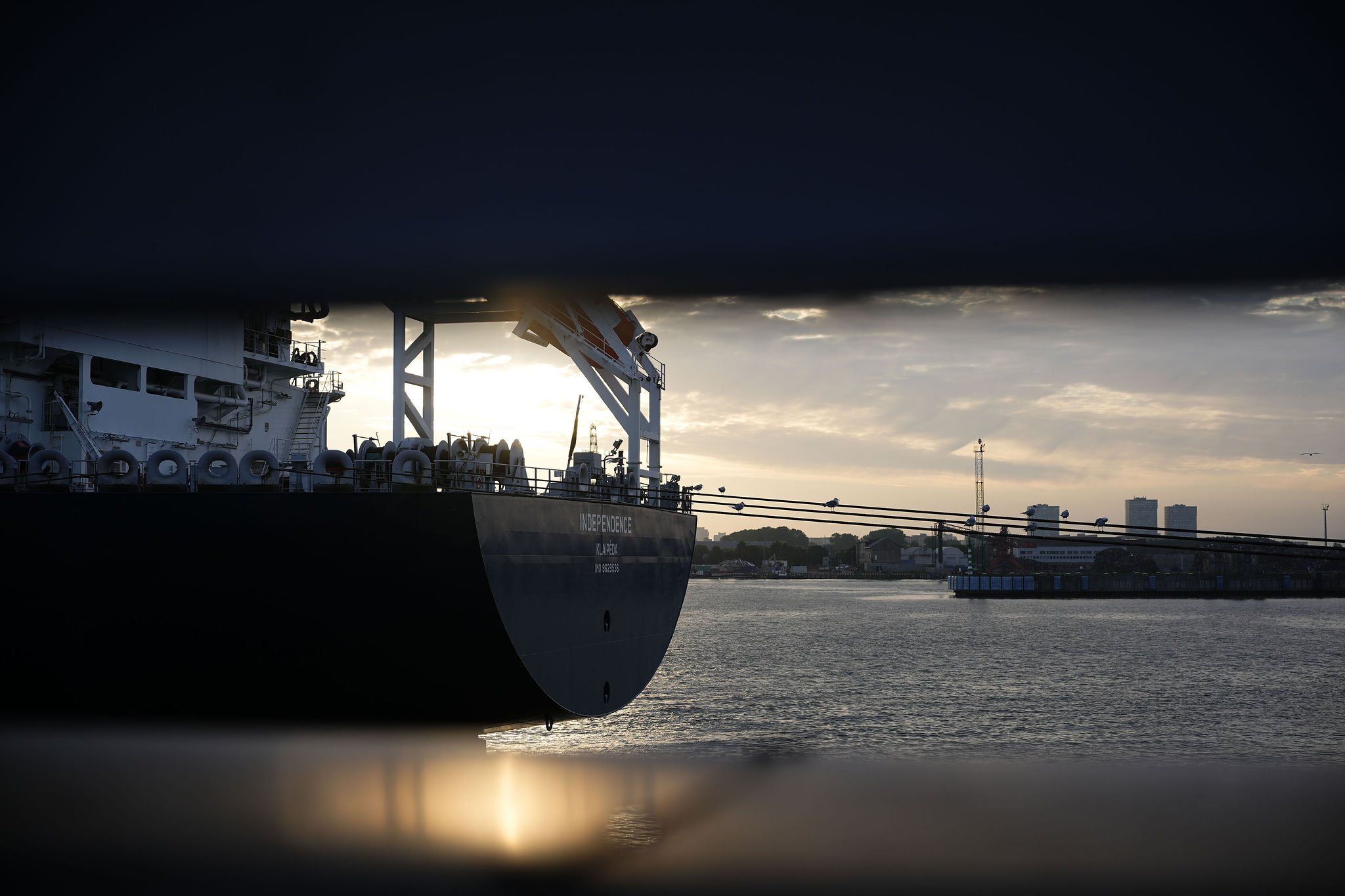
We believe that leveraging the potential of new energy sources will enable the transition to a green economy. KN Energies consistently invests in and focuses on the development of new energies activities in order to build the necessary competencies and develop new lines of business.
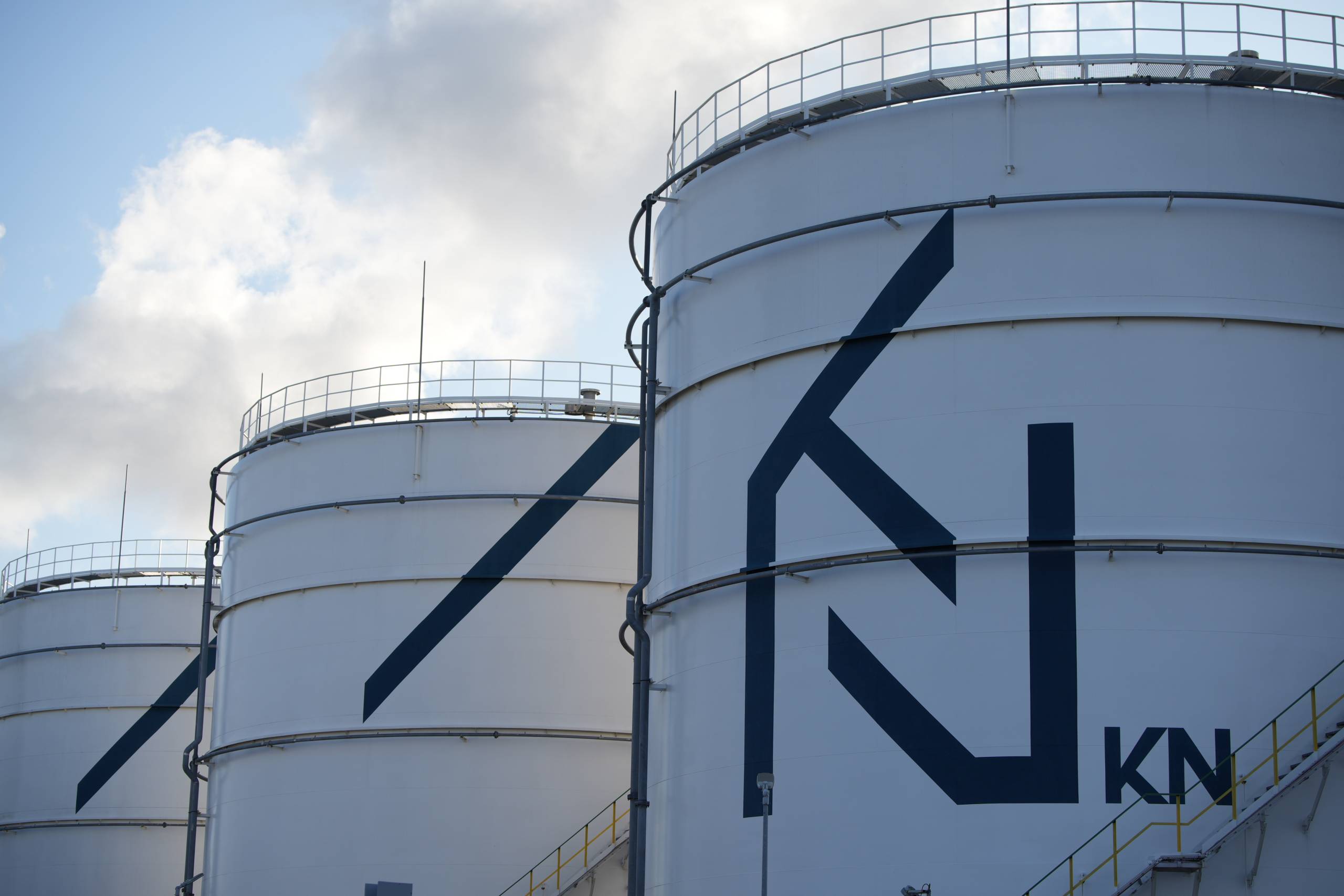
Įgyvendiname pirmąjį anglies dioksido surinkimo ir saugojimo (CCS) vertės grandinės projektą Baltijos šalyse.
We contribute to the decarbonisation of the energy system, the strengthening of its flexibility and security, and the development of advanced, innovative energy storage solutions.
We aim to adapt the infrastructure operated by KN Energies for the temporary storage and handling of hydrogen and its derivatives, while developing the value chain of these products.
The implementation of the carbon capture and storage (CCS) value chain, energy storage, and the development of hydrogen are the areas where KN Energies sees the greatest long-term potential. Together with its partners, KN Energies seeks to develop advanced solutions that ensure competitiveness and accelerate the energy transition. The goal is not only to reduce CO₂ emissions, but also to open up new business opportunities in the region.
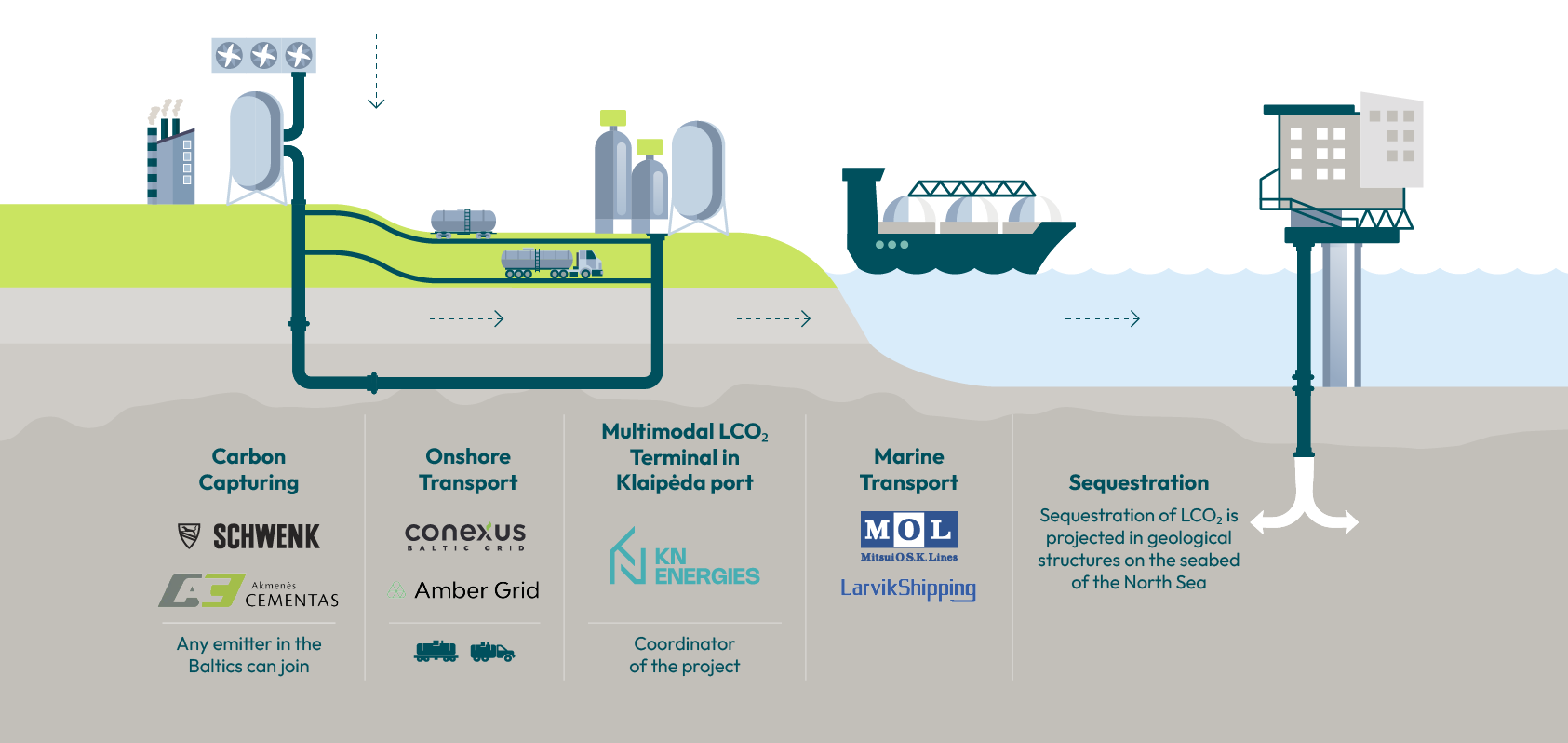
In its objective to become climate neutral by 2050, the European Union (EU) emphasises the importance of carbon capture and storage technologies. These technologies are essential for decarbonising industrial sectors where emission reduction is technologically challenging, such as the cement, steel and chemical industries, as well as other hard-to-abate sectors. To develop the CCS value chain in the Baltic region, the CCS Baltic Consortium project was launched in 2022, with KN Energies acting as the project coordinator.
KN Energies – project coordinator. Liquid energy terminal owner, operator and developer.

Mitsui O.S.K. Lines – a global shipping company based in Japan. One of the largest shipping operators in the world, with a fleet of over 900 vessels.

Akmenės cementas – the only cement producer and the largest CO₂ emitter in Latvia. Part of German building materials group SCHWENK.

SCHWENK Latvija – the only cement producer and the largest CO₂ emitter in Latvia. Part of German building materials group SCHWENK.

Larvik Shipping – a Norwegian ship management company operating LCO₂ carriers since 1988. Will transport LCO₂ together with MOL for sequestration.

Conexus Baltic Grid – unified gas transmission and storage operator in Latvia. Project partner.

Amber Grid – Lithuania’s natural gas transmission system operator. Project partner.
The project will develop the first cross-border, open access carbon dioxide infrastructure in the Baltic region, with substantial GHG emission reductions in industrial companies, especially operating in the hard to abate sector.
The planned terminal capacity is approx. 2.8 million tons of CO₂ per year.
With the ambition to become a leader in the storage and transportation of sustainable energy products in the Baltic region, KN Energies is systematically developing next-generation energy storage solutions. One of the most advanced directions is flow batteries, which are characterised by a long service life, safety and sustainability, and are therefore considered an attractive alternative to lithium-ion technologies.
Drawing on its long-standing experience and expertise in the handling of liquid energy products, the Company aims to develop a sustainable business model for the development of flow battery technologies in Lithuania. In doing so, KN Energies contributes to the decarbonisation of the energy system, the strengthening of its flexibility and security, and the deployment of innovative energy storage solutions.
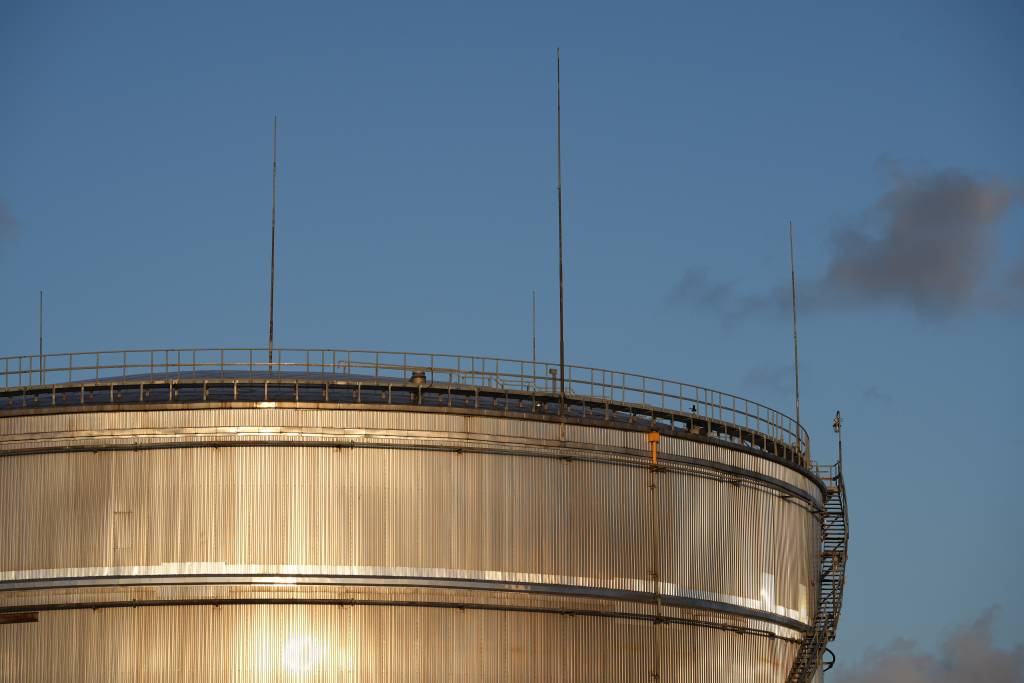
Hydrogen and its derivatives – such as ammonia and methanol – are considered among the most promising energy carriers capable of supporting the decarbonisation of industry and the transport sector. In response to these trends, KN Energies has included readiness to operate in the hydrogen value chain among its strategic priorities.
In its long-term strategy, KN Energies has set the objective to assess and begin maturing operating models related to hydrogen and hydrogen-derivative handling and storage infrastructure by 2030. These solutions are linked to the Company’s goal of becoming a climate-neutral energy company by 2050.
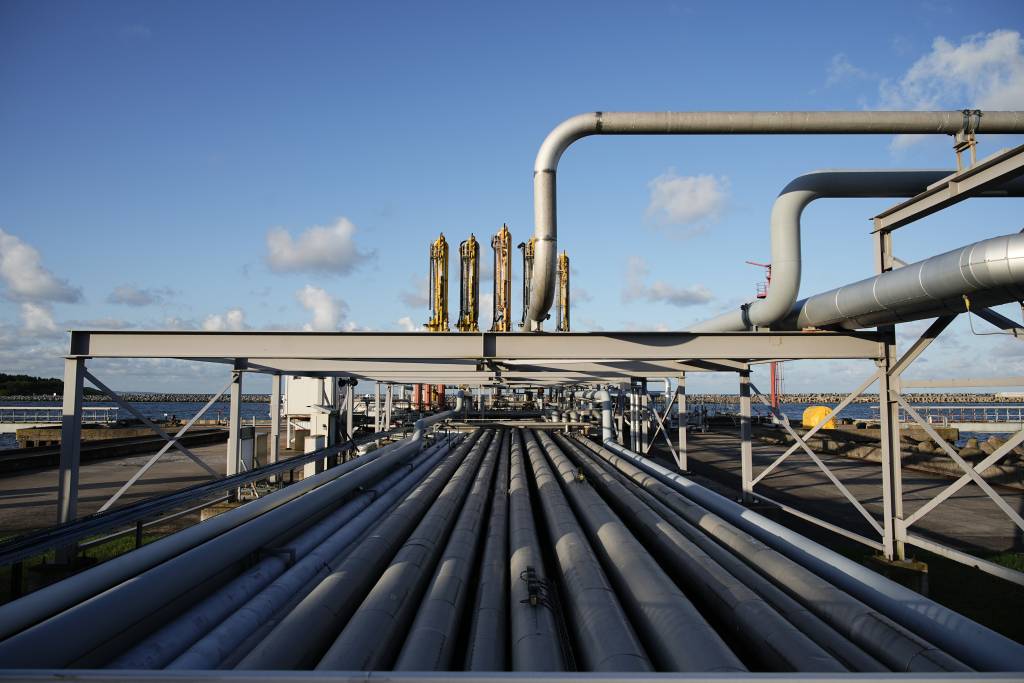
The Port of Klaipėda, where KN Energies’ main terminals are located, is a strategically advantageous location for logistics solutions for new energy products, including hydrogen and its derivatives. The Company is assessing the possibility of adapting this infrastructure in the future for the storage and handling of these energy derivatives.
The Company also seeks to cooperate with international partners with experience in the green hydrogen sector.
By actively monitoring technological progress and market developments, KN Energies expects that, in the near term, its competencies in liquid energy logistics can also be applied in the hydrogen sector. This readiness is an important step in the Company’s transformation towards a more sustainable energy ecosystem.